
AsianLoad: Asian dramas and films from Korea, China, Japan and Thailand, from Crash Landing on You, Extraordinary Attorney Woo and Navillera to My Own Swordsman, Solitary Gourmet and The Way Home
140 drama series and 49 films, each with its cast, its episode count, its rating and a Watch now button.
▶Recently added drama
View all (140) Series▶See You at Work Tomorrow!2026 · 12 episodes
 Series▶Sold Out on You2026 · 12 episodes
 Series▶We Are All Trying Here2026 · 12 episodes
 Series▶Absolute Value of Romance2026 · 16 episodes
 Series▶Our Universe2026 · 12 episodes
 Series▶Spring Fever2026 · 12 episodes
 Series▶Pro Bono2025 · 12 episodes
 Series▶Romantics Anonymous2025 · 8 episodes
 Series▶The Journey of Legend2025 · 40 episodes
 Series▶Glass Heart2025 · 10 episodes
▶Korean drama and film
View all (131) Series▶Guardian: The Lonely and Great God2016 · 16 episodes
 Series▶True Beauty2020 · 16 episodes
 Series▶Love Alarm2019 · 14 episodes
 Movie▶Space Sweepers2021 · 136 min
 Movie▶Red Shoes and the Seven Dwarfs2019 · 92 min
 Series▶Extraordinary Attorney Woo2022 · 16 episodes
 Series▶W2016 · 16 episodes
 Series▶Crash Landing on You2019 · 16 episodes
 Series▶Weightlifting Fairy Kim Bok-joo2016 · 16 episodes
 Series▶The King: Eternal Monarch2020 · 16 episodes
▶Chinese drama
View all (30) Series▶
 Series▶
 Series▶
 Series▶
 Series▶
▶Japanese and Thai drama
View all (28) Series▶
 Series▶
 Series▶
 Series▶
 Series▶
▶Movie
View all (49) Movie▶Extreme Job2019 · 111 min
 Movie▶EXIT2019 · 103 min
 Movie▶The Way Home2002 · 86 min
 Movie▶Vanishing Time: A Boy Who Returned2016 · 129 min
 Movie▶The Princess and the Matchmaker2018 · 110 min
 Movie▶Hot Young Bloods2014 · 121 min
 Movie▶Microhabitat2018 · 105 min
 Movie▶Scandal Makers2008 · 108 min
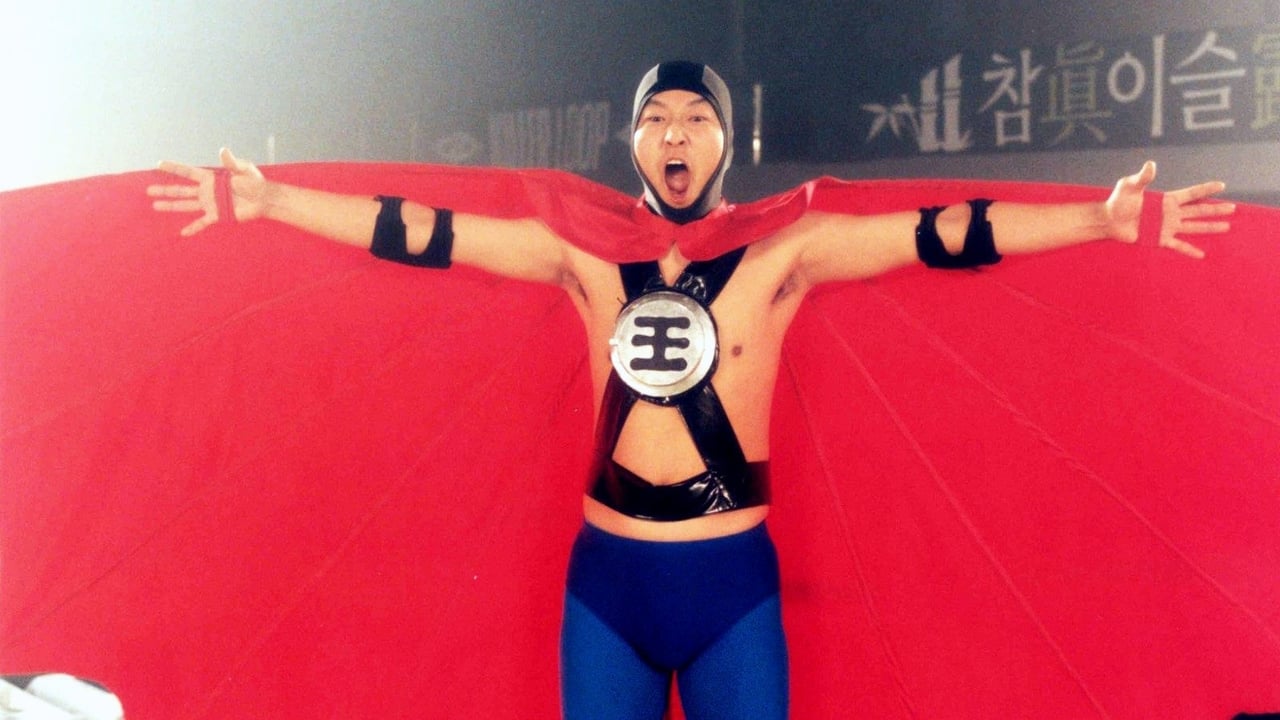 Movie▶The Foul King2000 · 112 min
 Movie▶A Millionaire's First Love2006 · 116 min
▶History and costume
View all (24) Series▶
 Series▶
 Series▶
 Series▶
 Series▶
▶The AsianLoad guide to Asian drama
AsianLoad: Asian dramas and films from Korea, China, Japan and Thailand, from Crash Landing on You, Extraordinary Attorney Woo and Navillera to My Own Swordsman, Solitary Gourmet and The Way Home
A drama series from East Asia is built differently from the television most English-speaking viewers grew up with. It usually tells one story from beginning to end, in a fixed number of episodes agreed before filming starts, and then it stops. A Korean romance runs sixteen hours and closes its last scene; a Japanese drama needs only ten; a Chinese costume saga may take forty or more, and still arrives at a planned ending. That shape, a long novel for the screen with a final page, is the reason these series have found viewers on every continent. AsianLoad is a guide to them.
The catalogue holds 189 titles made between 1999 and 2026. There are 140 drama series, which together come to 163 seasons and 3,663 episodes: eighty-two from Korea, thirty from China, twenty-five from Japan and three from Thailand. Beside them stand forty-nine Korean films, about ninety-two hours of cinema from forty-five directors. Every title has been screened by hand for a family audience, so the lists lean toward romance, comedy, working life and family stories.
The guide on this page tours the catalogue country by country and then theme by theme, names the titles worth opening first and explains how the site works. A reader in a hurry will find the short version in How to watch with AsianLoad.
How AsianLoad works
The header carries the logo and a wide search field, and under it runs a slate menu band: Drama, Movie, Korea, China, Japan, Romance, Popular and the A to Z index. The home page then sets out six rows of wide stills, five across. The first row shows the most recently released series; the next rows cover Korea, China, Japan with Thailand, films, and history with costume. Each still is tagged Series or Movie in its corner, and beneath it come the title in bold and a grey line with the year and the episode count or, for a film, the running time.
A title page gives the year, the rating, the genres, the leading cast, the creator or director and a summary. A series page also lists its episodes with their dates, and a small control lets a viewer mark the episode reached. Beside the Watch now button is a country selector. Choose a country, press the button, and the title opens on JustWatch, which shows the subscription, rental, purchase and free services that carry it there. AsianLoad is a guide; the viewing takes place on those official services.
There are four routes to a title, described in Finding a drama: the menu band, the search field, the lists page and the alphabetical index. The search understands titles, actors and directors. The list feature is called My Queue; it keeps titles to watch in the browser on the device in use, and the My Queue page explains how to add to it and how to save it as a file.
Korea
With 131 titles, Korea is the heart of the catalogue, and the Korea guide starts with the series that carried Korean drama around the world. Crash Landing on You begins with a gust of wind: a fashion heiress out paragliding is blown across the border and lands in a tree in North Korea, where an army captain, played by Hyun Bin, finds her and decides to hide her. Over sixteen episodes the series moves between a village of formidable housewives and the glass towers of Seoul, and its mixture of comedy, suspense and longing earned a rating of 8.5. Son Ye-jin plays the heiress; the two leads later married.
Guardian: The Lonely and Great God, known to its admirers as Goblin, stars Gong Yoo as an immortal who has waited nine centuries for the one person able to end his long life, and finds her in a cheerful high-school student. It is a fantasy, a comedy about two supernatural housemates and a meditation on memory, and it holds 8.6 from more than three thousand voters, the largest vote in the catalogue. Extraordinary Attorney Woo follows a brilliant young lawyer on the autism spectrum, played by Park Eun-bin, through her first year at a large Seoul firm; each episode is a case, each case teaches her colleagues something, and whales swim through her thoughts whenever an idea arrives.
Beyond the famous names lie quieter series that many viewers come to love more. Navillera is about Deok-chul, a retired postman of seventy who has wanted to dance ballet all his life, and Chae-rok, a gifted dancer of twenty-three who has lost his way. The old man becomes the young man's pupil and his manager at once. Its twelve episodes are rated 8.6. My Liberation Notes watches three siblings who commute for hours each day from a village to Seoul and wish for something to change, and Our Blues braids together the lives of fish sellers, divers and old classmates on Jeju island.
The newest great success is When Life Gives You Tangerines, released in 2025 and rated 8.8. It follows Ae-sun, a girl from Jeju who dreams of being a poet, and Gwan-sik, the steady boy who has loved her since childhood, from the 1950s to the present, with IU and Park Bo-gum as the young couple. It is a story about a marriage, about mothers and daughters, and about how much a family can carry.
Korean drama has a long memory, and the catalogue keeps some of its landmarks. Reply 1997 and Reply 1994 look back at school days and boarding-house life with a guessing game about who married whom. Dream High, from 2011, is set in a performing-arts school and launched several stars. The Great Queen Seondeok tells in sixty-two episodes of the first woman to rule the kingdom of Silla, and Jewel in the Crown follows Dong Yi, a servant who rose to be the mother of a king.
China
Thirty series come from China, and the China guide begins, perhaps unexpectedly, with comedy. My Own Swordsman is the highest-rated title in the whole catalogue at 8.9. First shown in 2006, it is a sitcom set in an inn in a small town of the Ming dynasty, where a kind-hearted landlady, a waiter with a past, a scholar, a cook and a runaway heiress get through eighty-one episodes of customers, debts and misunderstandings. It borrows the costumes of martial-arts epics and uses them for jokes about modern life, and a generation of Chinese viewers can quote it by heart.
Home with Kids, from 2005, is the longest series on AsianLoad at 367 episodes. A father returns from abroad with his son, marries a nurse who has a son of her own, and the new household of five learns to live together; it is often described as the family sitcom that China grew up with. The two series together make a fine introduction to Chinese humour.
The family saga is a second strength. A Lifelong Journey follows the three children of a worker's family in a northern city across five decades, from the late 1970s onward, as the country changes around them. Like a Flowing River follows three young men of different backgrounds through the years of economic reform, across 119 episodes rated 8.5. Both are long, patient and generous, and both treat ordinary working people as the proper subject of drama.
Costume drama is the form many viewers associate first with China. The Story of Pearl Girl stars Zhao Lusi as a pearl diver who builds a trading business in the Tang dynasty. Blossoms in Adversity follows the women of a ruined noble family who rebuild their fortunes through commerce. Novoland: Pearl Eclipse is a fantasy of courts and oceans, New Life Begins a light comedy about brides gathered from nine regions, and The Litchi Road a brisk adventure about a minor official ordered to deliver fresh lychees across a continent before they spoil.
Modern romances complete the list: Skate Into Love and Ski into Love on ice and snow, She and Her Perfect Husband in a law firm, Will Love In Spring, a tender story set in a northern town and rated 8.6, and Our Generation, which follows two childhood friends through their school years.
Japan and Thailand
Twenty-five series come from Japan, and the guide to Japan and Thailand explains what makes them distinct. Japanese dramas are short, usually ten or eleven episodes shown across a single season of the year, and they are often adapted from manga or novels. They tend to be modest in scale and exact in observation.
The purest example is Solitary Gourmet. A salesman named Goro, played by Yutaka Matsushige, finishes a business call in an unfamiliar neighbourhood, feels hungry, chooses a small restaurant and eats. That is the whole plot of every episode. The pleasure lies in his inner commentary as each dish arrives, and in the real establishments the series visits. It has run since 2012, reached 132 episodes and is rated 8.9, level with the Chinese inn at the top of the catalogue.
La Grande Maison Tokyo takes the opposite approach to food: Takuya Kimura plays a fallen chef who joins a talented colleague to open a restaurant in Tokyo and chase three stars. Amachan, a morning serial of 157 short episodes, follows a Tokyo schoolgirl who moves to her grandmother's fishing town on the northern coast, learns to dive for sea urchins and becomes a local celebrity; it was a national event in 2013. Tokyo Girl accompanies one woman from twenty-three to forty as she moves from district to district of the capital, each address a stage of life.
School stories are a Japanese speciality. GTO sends a former motorcycle gang leader into a classroom as an unorthodox teacher. The Queen's Classroom sets a class of twelve-year-olds against a teacher of terrifying strictness. HANA-KIMI and From Me to You: Kimi ni Todoke adapt much-loved manga about first love, and From Today, It's My Turn!! is a loud, affectionate comedy about two friends who reinvent themselves at a new school in the 1980s. Recent arrivals include Romantics Anonymous, set in a chocolate shop, and Glass Heart, about a drummer recruited into a new band.
Three Thai series round out the list. Analog Squad is a warm comedy about a man who assembles a pretend family to visit his ailing father. Mad Unicorn charts the rise of a delivery start-up, and Ready, Set, Love is a bright romantic comedy built around a dating contest.
Films
The forty-nine films are all Korean, and the films guide begins with the gentlest. The Way Home, from 2002, sends a seven-year-old boy from Seoul to stay with his grandmother in a mountain village. She is unable to speak or read; he wants fried chicken and batteries for his game. Across one summer her patience wears down his rudeness, and the final scenes have moved audiences everywhere. The grandmother was played by a villager acting for the first time, and the film is rated 8.0.
Brothers are at the centre of two other favourites. In Keys to the Heart, Lee Byung-hun plays a washed-up boxer who moves in with his mother and discovers a younger brother who is a gifted pianist. In Inseparable Bros, rated 8.2, two men who grew up in the same care home, one with a sharp mind and a body that needs help, the other strong and childlike, have lived as brothers for twenty years. Marathon tells the true story of a young autistic man who trains to run a full race, with his mother beside the road.
Korean film comedy is broad and inventive. Extreme Job became one of the most successful Korean films ever released: a squad of unlucky officers takes over a fried-chicken shop as cover for a stake-out, and the chicken becomes so popular that the restaurant gets in the way of the mission. Scandal Makers gives a smooth radio host a grown daughter and a small grandson who arrive as complete news to him, and The Foul King, directed by Kim Jee-woon, sends a timid bank clerk played by Song Kang-ho into the wrestling ring at night.
The historical films are distinguished. The Book of Fish, shot in black and white by Lee Joon-ik, tells of a scholar exiled to a remote island who learns from a young fisherman and writes an encyclopaedia of sea life. The Royal Tailor sets two dressmakers against each other at the Joseon court, and MAL·MO·E: The Secret Mission follows the people who compiled a dictionary to keep their language alive.
More from the Korean cinema
The film list has room for spectacle. Space Sweepers, released in 2021, was promoted as the first Korean blockbuster set in space: the crew of a salvage ship that collects orbital debris finds a child robot in a wreck and has to decide what to do with her. Song Joong-ki and Kim Tae-ri lead a cast that speaks half a dozen languages. EXIT is a disaster comedy in which a jobless rock climber and an old college clubmate, played by Yoona, scale the buildings of a city to stay above a spreading cloud; it is tense, funny and free of cruelty. Red Shoes and the Seven Dwarfs is an animated fairy tale with a twist on a familiar princess.
Sport and endurance supply three films. Take Off is based on the first Korean national ski-jumping team, a group of misfits assembled to support an Olympic bid. The Himalayas recounts an expedition by a famous mountaineer to bring a lost colleague home, and Innocent Steps pairs a ballroom dancer with a young partner newly arrived from China.
The romances are many and varied. A Millionaire's First Love sends a spoiled heir, played by a young Hyun Bin, to finish school in a country village as a condition of his inheritance. Cyrano Agency is about a theatre troupe that stages romantic encounters for shy clients. Josée is a delicate story of a student and a young woman who lives among her books, and Love Forecast, Finding Mr. Destiny, My Love, My Bride and Single in Seoul are comedies about couples at different stages. Honeysweet, from 2023, gives a shy confectionery researcher a late first love.
A last group looks at society with sympathy. Cart follows the women who work the tills of a large supermarket as they stand together for their jobs. Microhabitat and A Man Who Was Superman concern people the city tends to overlook, and Vanishing Time: A Boy Who Returned is a fable about a boy who returns from a cave as a grown man while his friend has aged only days.
Romance
Romance runs through 134 titles, which is to say most of the catalogue, and the romance guide divides it by setting. The office romance is the most reliable kind. In Business Proposal, a food researcher goes on a blind date in a friend's place, intending to be turned down, and finds that the man across the table is the head of her own company. In What's Wrong with Secretary Kim, a vain executive is astonished when his perfect secretary of nine years hands in her notice. King the Land pairs a hotel heir who dislikes false smiles with the employee whose smile has won every award.
The fantasy romance is a Korean invention in its modern form. Hotel Del Luna is a hotel for the departed in the middle of Seoul, run for a thousand years by a sharp-tongued owner, played by IU, and newly managed by a very reluctant graduate of a business school. In W, a surgeon is pulled into the comic strip her father draws and meets its hero. Doom at Your Service, My Holo Love, Alchemy of Souls and The King: Eternal Monarch each set love against a rule of magic that seems to forbid it.
A third group prefers small towns and slow seasons. Hometown Cha-Cha-Cha sends a dentist from Seoul to a seaside village where one cheerful jack of all trades seems to hold every job; it is the television equivalent of a week by the sea. When the Weather Is Fine is set around a bookshop in a snowy country town. Once Upon a Small Town gives a city veterinarian a rural practice that comes as a surprise to him, and Encounter begins with a chance meeting in Havana.
First love has its own shelf: A Love So Beautiful, My First First Love, Love Alarm, in which a telephone application announces who nearby has feelings for its owner, and True Beauty, about a student whose skill with make-up changes her standing at a new school. Among the films, Lovers' Concerto, Ditto and Unforgettable look back on young love with a mixture of sweetness and ache.
Comedy
Ninety-seven titles are comedies, and the comedy guide points to the liveliest. Mr. Queen has the boldest premise in the catalogue: the spirit of a swaggering modern chef wakes up in the body of a queen of the Joseon dynasty, days before her wedding. The court is baffled by its new queen, who invents dishes in the palace kitchen and addresses the king as an equal, and the series earned 8.5 across twenty episodes.
The Producers is set inside a broadcasting company, in the department that makes variety shows, and laughs at the industry that produced it. Be Melodramatic follows three friends of thirty, a drama writer, a documentary maker and a marketing manager, with a dry wit unusual for the form. Her Private Life is about an art curator who is secretly the administrator of a fan site for a pop idol.
From Japan come My Dear Exes, about a company president and the three former husbands who still orbit her life, and Sleepeeer Hit!, in which a former judo athlete joins the staff of a weekly manga magazine and treats publishing as a team sport. From the Korean cinema come Dancing Queen, in which a housewife auditions as a pop singer while her husband runs for mayor, and Penny Pinchers, a romance between two people with very different attitudes to money.
History and costume
Twenty-four titles wear the dress of earlier centuries, and the history guide separates the Korean from the Chinese. Korean historical drama, called sageuk, is mostly set in the Joseon dynasty, which lasted five centuries and left detailed court records for writers to draw on. The Red Sleeve tells of a court lady who wishes to keep her own life and a crown prince, later King Jeongjo, who wishes to share his. Rookie Historian Goo Hae-Ryung imagines a young woman winning a post as a palace chronicler. Scarlet Heart: Ryeo goes further back, to the founding years of Goryeo, with a modern woman dropped among rival princes.
Some treat the past playfully. Sungkyunkwan Scandal disguises a clever girl as a boy so that she can study at the royal academy, where her room-mates include the three most admired students in the capital. Live Up to Your Name sends a Joseon acupuncturist to a modern hospital. Chinese costume dramas are longer and more lavish, often running to forty episodes with large casts and elaborate sets; the pearl trader, the lychee envoy and the women merchants described above are the place to begin.
School and youth
Forty titles are set among the young, and the school guide arranges them by country. Korea contributes Weightlifting Fairy Kim Bok-joo, one of the most cheerful series ever made: a champion weightlifter at a sports university falls for a doctor, and her childhood friend, a swimmer, teases her until he realises his own feelings. It is rated 8.5. Hello, My Twenties! moves five young women into a shared house, each with a secret, and Cheese in the Trap and My Tutor Friend are campus stories from the cinema.
Japanese school dramas are compact and intense, as described above, and Saving My Stupid Youth adds a comedy about a merger between a boys' school and a girls' school. China offers Our Generation and My Sunshine, in which two university sweethearts meet again seven years later. Among the films, Hot Young Bloods is a rowdy comedy of the 1980s countryside, Punch pairs a rebellious student with the teacher who lives next door, and Take Care of My Cat follows five friends from the port city of Incheon in the year after graduation, a small classic of 2001 with Bae Doona.
Working life
Sixty-two titles are set at work, and the workplace guide opens with the series that defined the office drama. Misaeng: Incomplete Life follows Jang Geu-rae, who spent his youth training as a player of the board game baduk and arrives at a trading company as an intern with only a school certificate. He applies the logic of the board to the office, and the series observes meetings, overtime and small kindnesses with the care of a documentary. Its twenty episodes are rated 8.6, and office workers across Asia recognised themselves in it.
Search: WWW is set among the women who run two rival internet portals, and Samjin Company English Class, a film set in 1995, follows three clerks in a large firm who attend an English class together and uncover a secret their employer would prefer to keep. Romance Is a Bonus Book takes place in a publishing house, Forecasting Love and Weather at the national weather service, The Potato Lab in an agricultural research station and Love Scout at a recruitment company led by a woman whose new secretary is a single father.
Hospitals have their own long tradition. Good Doctor, from 2013, introduced a young paediatric surgeon with autism and an extraordinary memory, and was later remade in several countries. Daily Dose of Sunshine follows a nurse who transfers to a psychiatric ward and learns as much from her patients as she gives them. Resident Playbook spends a year with first-year residents in obstetrics, and Doctor Slump reunites two former school rivals at the lowest point of their medical careers.
The courtroom is represented by Pro Bono, in which a judge joins the public-interest team of a law firm, Law and the City, The Law Cafe and the Japanese comedy ISHIKO and HANEO: You're Suing Me?. Two brand-new series from 2026, See You at Work Tomorrow! and We Are All Trying Here, show that the workplace remains the favourite stage of Korean writers.
Family
Fifty-two titles turn on family, and the family guide sorts them by generation. The Jeju love story and the Chinese sagas described above each cover half a century of one household. Our Unwritten Seoul gives Park Bo-young a double role as twin sisters, one in the city and one in the country, who trade places and discover how little each knew of the other's days. Reunited Worlds brings back a boy lost years earlier, unchanged, to friends who have grown up.
Japanese dramas approach family from surprising angles. Stepmom and Daughter Blues has a formidable career woman marry a widower and apply business methods to winning over his young daughter. If My Wife Becomes an Elementary School Student is exactly what its title says and far more touching than it sounds. Among the Korean films, My Brilliant Life is about young parents and a wise, fragile son; A Brand New Life sees an orphanage through the eyes of a nine-year-old; and Scandal Makers builds a family out of a surprise.
Food and kitchens
Ten titles are devoted to eating well, and the food guide recommends watching them after dinner. The solitary salesman and the Tokyo restaurant have been described; Korea adds Tastefully Yours, in which the heir to a food conglomerate hunts for recipes and meets a chef who runs a one-table restaurant in the countryside, and Temperature of Love, about a screenwriter and a cook trained in France.
Food appears constantly elsewhere in the catalogue even where it is absent from the title. Korean dramas pause for instant noodles at midnight, fried chicken with beer and seaweed soup on birthdays; Chinese family sagas gather three generations around a round table at the New Year; Japanese dramas linger over a boxed lunch. A viewer new to these series learns a cuisine almost by accident.
How a drama is built
Understanding the form adds to the pleasure. A Korean series of the classic kind has sixteen episodes of about an hour, shown two a week for eight weeks. The first four set up the premise, often with comedy; the middle brings the couple together; a separation or a secret darkens the twelfth or thirteenth hour; and the last episode ties each thread. Viewers come to feel this rhythm and enjoy both its reliability and the series that bend it. Newer productions made for streaming services tend to run ten or twelve episodes, and a few, such as Doona! at nine, are shorter still.
Japanese series are broadcast in four seasons a year, each with a new slate of ten-episode dramas, so a great many stories are told and few outstay their welcome. The morning serial is a special case: fifteen minutes a day, six days a week, for half a year, usually the life story of a determined woman. Chinese series are released in long runs, sometimes several episodes a day, and their length allows a cast of dozens and a plot that spans decades. Twenty-four series in the catalogue run to forty episodes or more.
Music matters in all of them. Each Korean series commissions its own songs, and a ballad that plays whenever the leads meet becomes part of the memory of the story. Fans collect these soundtracks, and several singers who appear in the catalogue as actors, IU and Suzy among them, began on stage.
Places on screen
These series are also a tour. Jeju, the volcanic island off the southern coast of Korea, appears again and again: in the market stalls and diving boats of Our Blues, in the tangerine groves of the 2025 saga, and as a holiday destination in a dozen romances. Seoul is shown at every level, from rooftop rooms with a view of the Namsan tower to the boardrooms of Gangnam, and the Han river with its convenience-store picnic tables is practically a member of the cast.
Korean drama is fond of the provinces too. A fishing village on the east coast, a snowbound town in the north, a potato research station in the highlands and a country clinic all serve as places where a hurried person from the capital learns to slow down. Japan offers the neighbourhoods of Tokyo, each with its own character, and the rugged northern coast of the diving serial. Chinese series travel from the old lanes of a northern industrial city to the caravan routes of the Tang empire.
Tourism follows the screen. Locations from popular series become destinations, complete with signposts, and fans plan journeys around a bench, a staircase or a seaside lighthouse. A viewer can use the search field to gather the titles set in a favourite place before a trip.
Familiar pleasures
Part of the fun of Asian drama lies in recognising its conventions. There is the contract relationship, in which two people agree to pose as a couple for practical reasons and are caught out by real feeling; Love in Contract and Marriage Contract announce it in their titles, and Well-Intended Love builds a whole plot on it. There is the childhood connection revealed late, the shared umbrella, the piggyback ride home, and the moment a character falls asleep on a shoulder in a bus.
There is also the second lead, the kind and patient rival who deserves happiness and finds it elsewhere. Viewers speak of second lead syndrome when they catch themselves hoping the story will change its mind. Good writers know all these conventions and play with them. Cinderella and Four Knights collects several at once with a wink, and Clean with Passion for Now turns a fear of germs into the obstacle between its leads.
Seasons carry meaning as well. First snow is said to bring luck to those who see it together, cherry blossom marks beginnings, and the rainy season supplies umbrellas. Titles such as One Spring Night, Spring Fever and Temperature of Love show how closely weather and feeling are tied in this tradition.
Good pairings
Some titles in the catalogue speak to one another, and watching them in pairs doubles the pleasure. Misaeng: Incomplete Life and Samjin Company English Class show the Korean office twenty years apart. Good Doctor and Extraordinary Attorney Woo are two portraits, a decade apart, of gifted young professionals on the autism spectrum and of the colleagues who learn to work beside them. Solitary Gourmet and Tastefully Yours compare the Japanese and the Korean way of filming a meal.
The Way Home pairs naturally with Navillera, a grandmother and a grandfather, each teaching patience to someone young. Reply 1997 and Amachan both understand pop fandom as a serious part of growing up. And My Own Swordsman beside Mr. Queen shows two countries enjoying the same joke, which is to dress modern manners in historical costume and watch the results.
Planning by time
Because every series states its length in advance, a viewer can plan with unusual precision. A free weekend is enough for a ten-episode Japanese drama, with time left for a walk. A fortnight of evenings suits a sixteen-episode Korean series at the traditional pace of two episodes at a sitting, which is how these stories were first broadcast and how their cliffhangers were designed to be felt. A long winter is the moment for a Chinese saga of fifty or sixty episodes, taken a few at a time like chapters of a thick novel.
The films help on evenings when a series feels like too large a promise. Most run under two hours, and several of the best, The Way Home among them, are closer to an hour and a half. A pleasant habit is to alternate: a film between two series, as a sorbet between courses. The grey line under every still on AsianLoad gives the episode count or the running time at a glance, so the choice can be made before a single page is opened.
Those who like to finish what they start will find the form kind. A drama with a planned ending rewards loyalty with a conclusion, and the marker on each series page remembers the last episode watched, ready for the next free evening.
Faces to follow
A good way through the catalogue is to follow an actor. Park Bo-young appears in six titles here, among them Doom at Your Service, Daily Dose of Sunshine, the twin story and the film Hot Young Bloods; her warmth holds each of them together. Park Min-young leads six as well, including What's Wrong with Secretary Kim, Her Private Life, Forecasting Love and Weather and Sungkyunkwan Scandal, and has become the face of the workplace romance.
Im Soo-jung is in five titles, most of them films of the 2000s and 2010s. Han Hyo-joo plays the comic-strip surgeon, the servant who became a royal mother and, in Japanese, the chocolatier of Romantics Anonymous. Lee Jong-suk is the hero of the comic strip and the editor of the publishing house. IU, a singer before she was an actress, leads three of the best: the hotel of spirits, the Goryeo court and the Jeju saga. Lee Byung-hun, known abroad for action films, shows his gentler side as the boxer brother and as a Jeju truck driver in Our Blues.
Writers deserve following too. In Korea the screenwriter, far more than the director, is regarded as the author of a series, and audiences choose a new drama by the name on the script. The writer of the goblin fantasy also wrote Descendants of the Sun and The King: Eternal Monarch; the two sisters who wrote Hotel Del Luna also created Alchemy of Souls. The search field on AsianLoad accepts these names as readily as those of the stars.
Where to begin
For a first Korean drama, the safest choices are Crash Landing on You for romance, Extraordinary Attorney Woo for something episodic and humane, and Weightlifting Fairy Kim Bok-joo for pure good cheer. A viewer who prefers films to series can begin with The Way Home and Extreme Job, one quiet and one riotous. For a first Chinese series, the inn comedy shows the humour and the pearl diver shows the spectacle. For a first Japanese drama, three episodes of the hungry salesman explain the national style better than any essay.
Viewers who already know the form may want the less travelled road: My Liberation Notes, Be Melodramatic, Tokyo Girl, Like a Flowing River and the film Microhabitat, about a housekeeper who gives up her room and keeps her small luxuries. Those with little time can choose by length. Six or seven hours is enough for the Thai series, ten for most Japanese dramas and twelve for many recent Korean ones.
And for a household watching together, the family stories are the natural choice. Grandparents and grandchildren can share Navillera; parents and teenagers can share Dream High or True Beauty; and everyone can share the grandmother in the mountain village.
Three periods
The catalogue is filed in three periods. Forty-five titles date from before 2015, among them most of the films and the pioneers of the Korean wave, a term coined for the sudden popularity of Korean series and music across Asia at the turn of the century. The oldest title is the film The Harmonium in My Memory, from 1999, about a young teacher posted to a village school.
Fifty-seven titles come from 2015 to 2019, the years in which cable channels raised production standards and the fantasy romance flourished. Eighty-seven have appeared since 2020, when streaming services began to release Asian series worldwide on the same day as at home, with subtitles in dozens of languages. Six titles are dated 2026, including Spring Fever, Our Universe and Absolute Value of Romance.
The popular list
Forty-eight titles are rated 8.0 or higher by at least forty voters, and the popular guide sets them in order. The inn comedy and the hungry salesman share first place at 8.9, joined by the new office romance of 2026; the Jeju saga and the web-novel comedy follow at 8.8. Several titles stand at 8.6, among them the ballet story, the office interns, the goblin and the soul-swapping fantasy. The best-rated films are Inseparable Bros at 8.2 and three at 8.0.
Ratings on newer and less widely seen series rest on fewer votes than those of the worldwide hits, so the vote count shown on each page is worth a glance. A score of 8.5 from nine hundred voters and a score of 8.9 from seventy are both good signs, of slightly different kinds.
Subtitles and names
Almost every viewer outside Asia watches these series with subtitles, and a few conventions help. Korean and Chinese names are given family name first: in Park Bo-young, Park is the family name. Characters address one another by titles that say a great deal about their relationship, such as the Korean words for an older brother, an older sister or a senior colleague, and subtitles often leave these in place. A change in form of address, when a junior at last calls a senior by name, can be the most romantic moment in an episode.
Titles vary between services and countries. A series may have a literal title, an international title and a fan nickname. AsianLoad lists each series under its most common English title and records alternatives, so a search for Goblin leads to the right page. Availability also varies by country, which is why the country selector sits beside the Watch now button.
Inside a title page
A title page on AsianLoad opens with a wide still, the name and the year, and a line of small tags for country and genre. The public score follows with its vote count, and for a series the numbers that matter most to a planner: seasons, episodes and the usual length of one. The summary describes the premise in a short paragraph and keeps later turns of the plot to itself. Leading actors are listed with the writer or director, each name a link to that person's other work in the catalogue. Below, a series shows its episodes in order with the date each first aired, and a marker a viewer can set on the last one watched. The country selector and the Watch now button remain within reach on a telephone screen, and a row of related titles closes the page.
Questions about AsianLoad
Questions
What is AsianLoad?
AsianLoad is a guide to 140 Asian drama series and 49 Korean films made between 1999 and 2026. Each title has its cast, a summary, a rating and a Watch now button.
How do I watch a drama?
Open its page, choose your country beside the Watch now button and press it. JustWatch then shows the services that carry the title in that country.
Which countries are covered?
Korea has 82 series and 49 films, China 30 series, Japan 25 series and Thailand 3 series.
Which titles are rated highest?
My Own Swordsman and Solitary Gourmet lead at 8.9, followed by When Life Gives You Tangerines at 8.8. Navillera, Misaeng: Incomplete Life and Guardian: The Lonely and Great God stand at 8.6.
Which drama should I start with?
Crash Landing on You, Extraordinary Attorney Woo and Weightlifting Fairy Kim Bok-joo are friendly first choices. For a film, begin with The Way Home.
How long is a typical series?
Most Korean series run twelve or sixteen episodes, most Japanese ones about ten, and Chinese series often forty or more. The longest here is Home with Kids at 367 episodes.
Are there short series?
Yes. Ready, Set, Love has six episodes, Mad Unicorn and Modern Love Tokyo seven each, and Analog Squad eight.
Can I keep track of episodes?
Yes. A series page lets you mark the episode you have reached, and My Queue keeps your saved titles in the browser on your device.
Is the catalogue suitable for families?
Every title was screened by hand for a family audience. The lists favour romance, comedy, working life and family stories.
Where does the information come from?
Posters, ratings, casts and episode data are supplied by TMDB. The guide on this page and the fifteen help pages are written for AsianLoad.
